Croatian Home
Croatian Home, Split
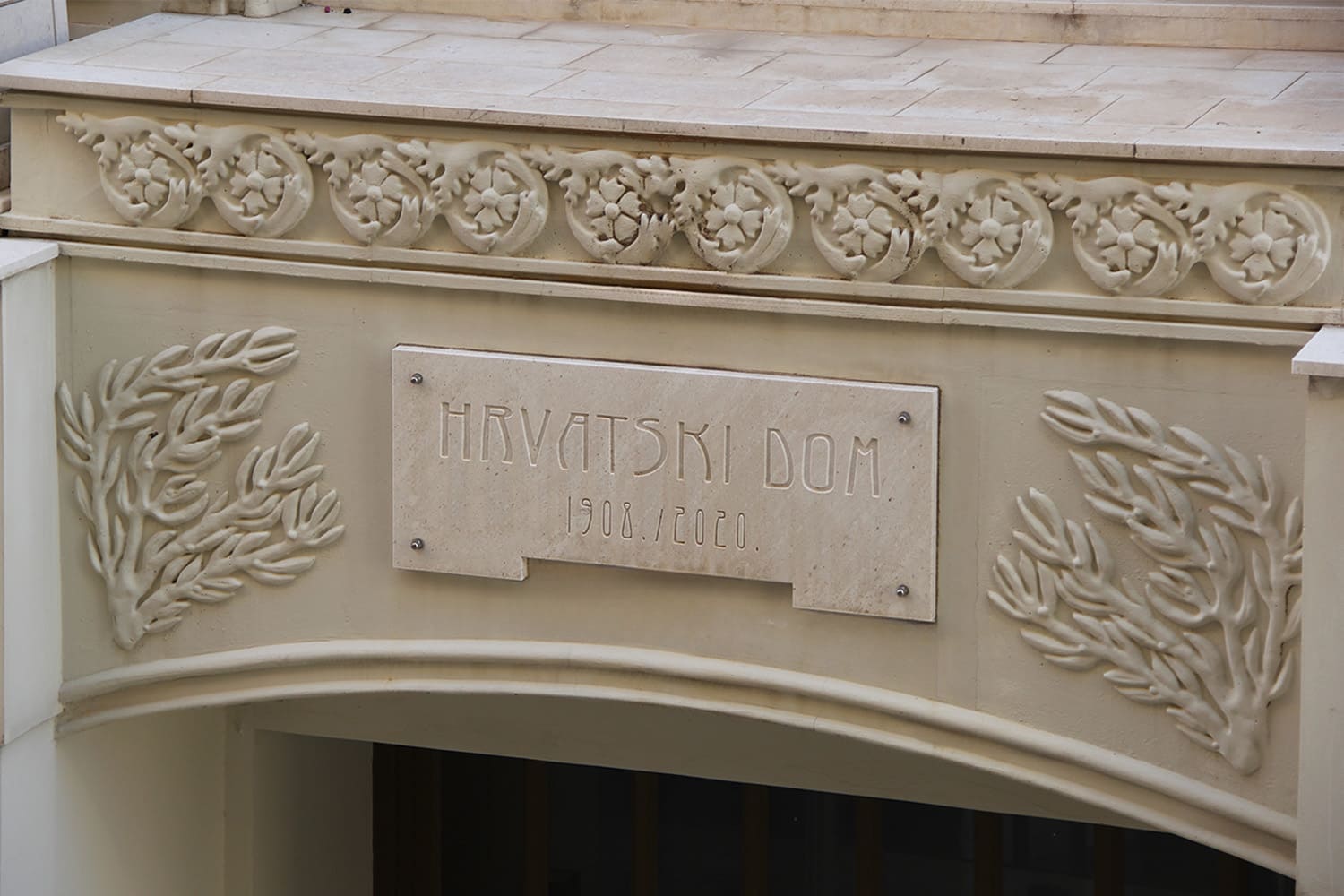
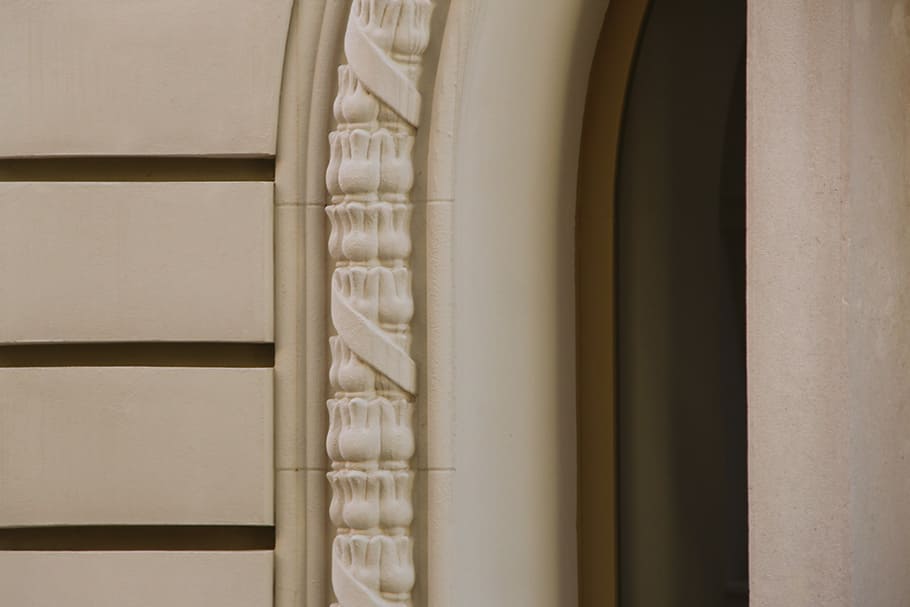
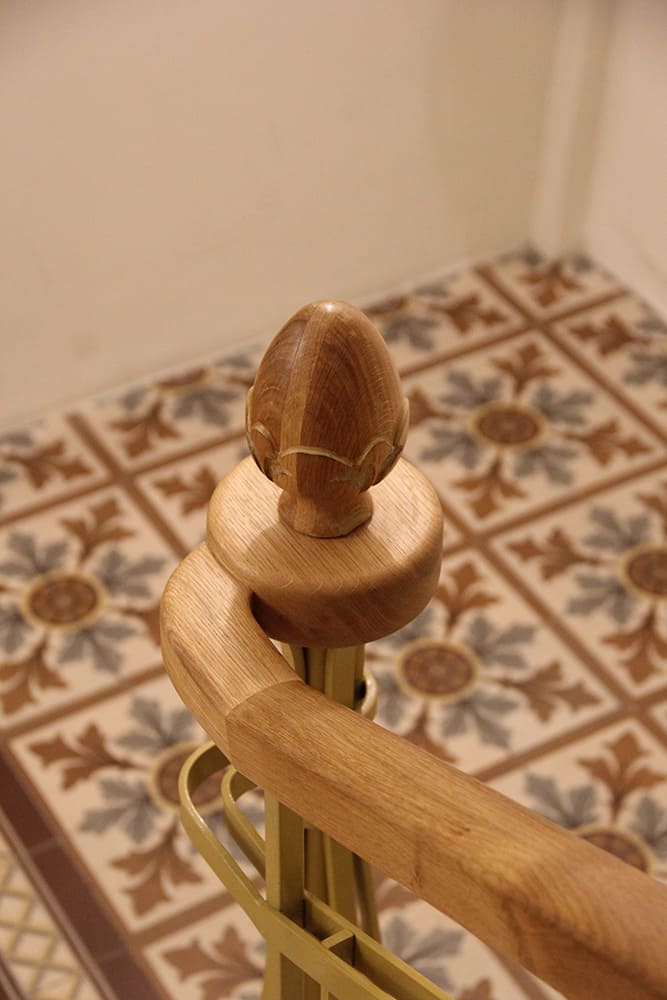
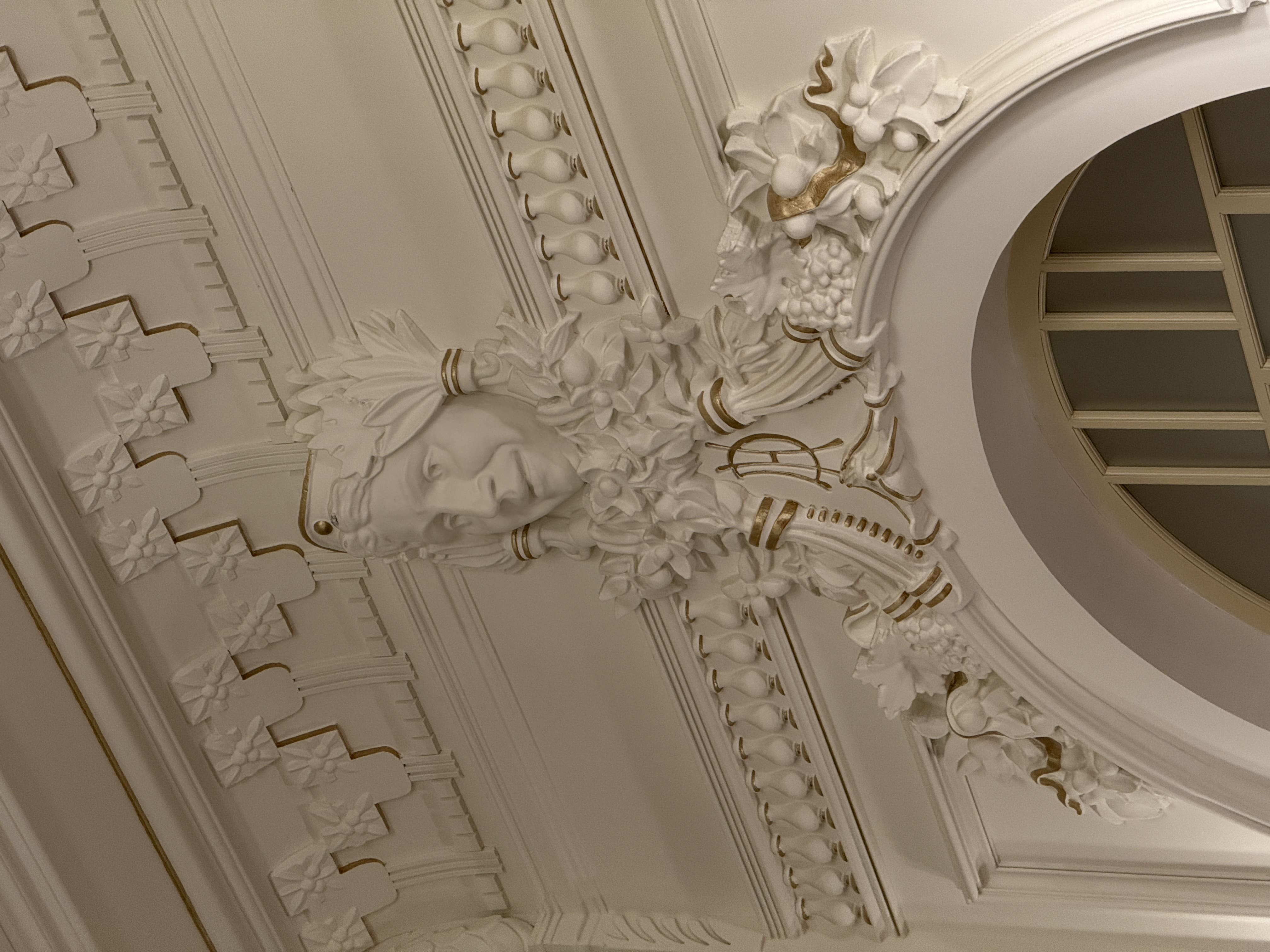
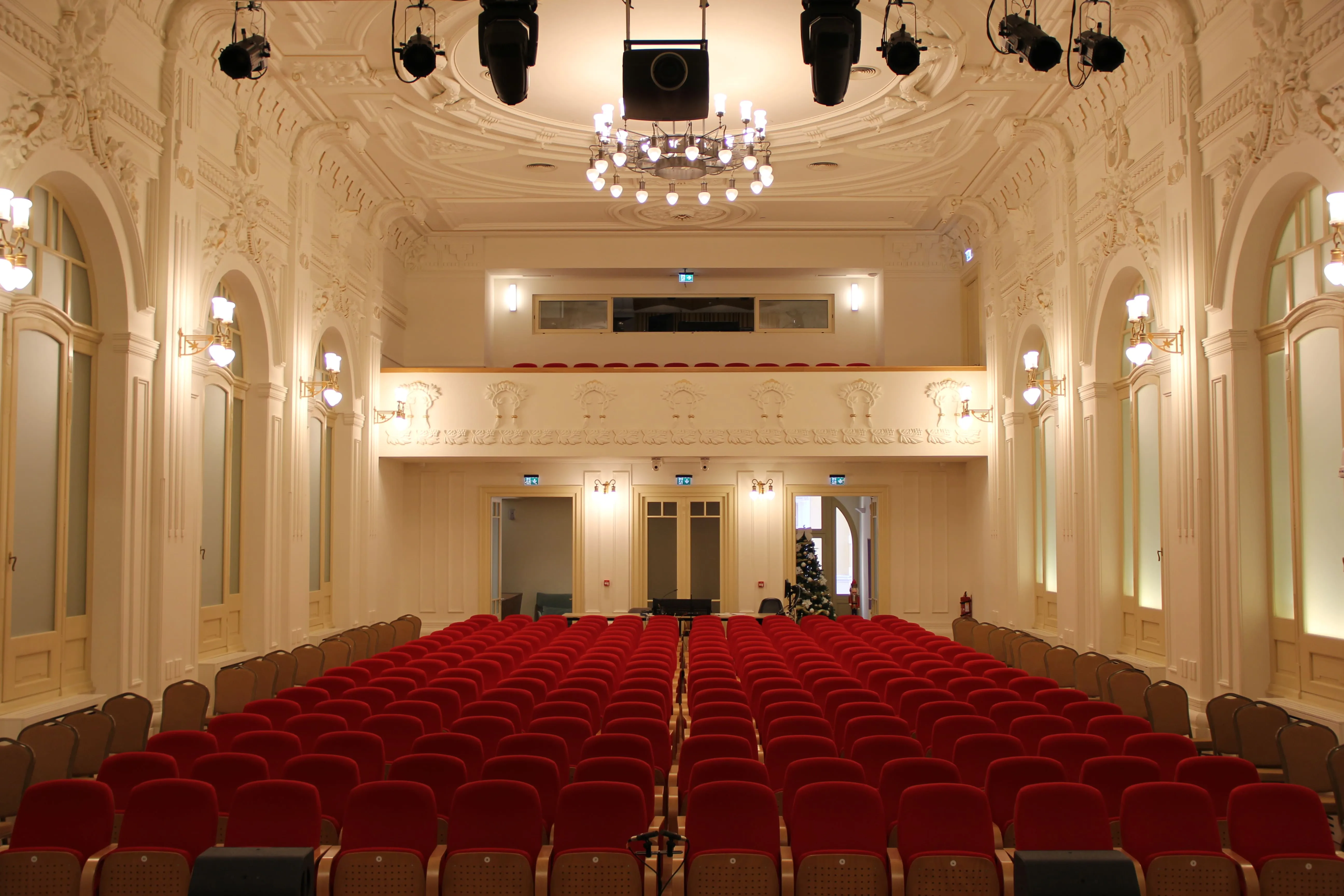
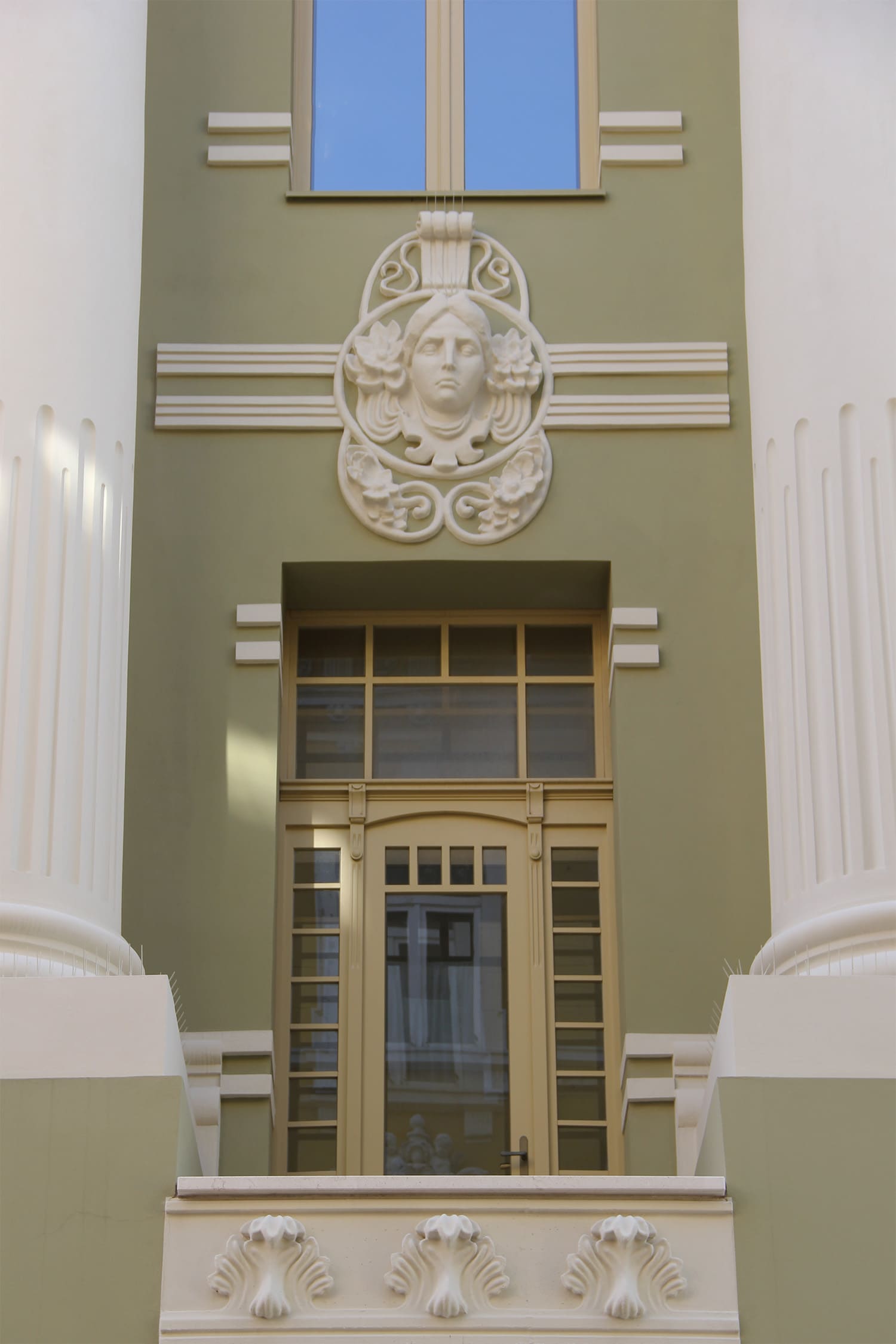
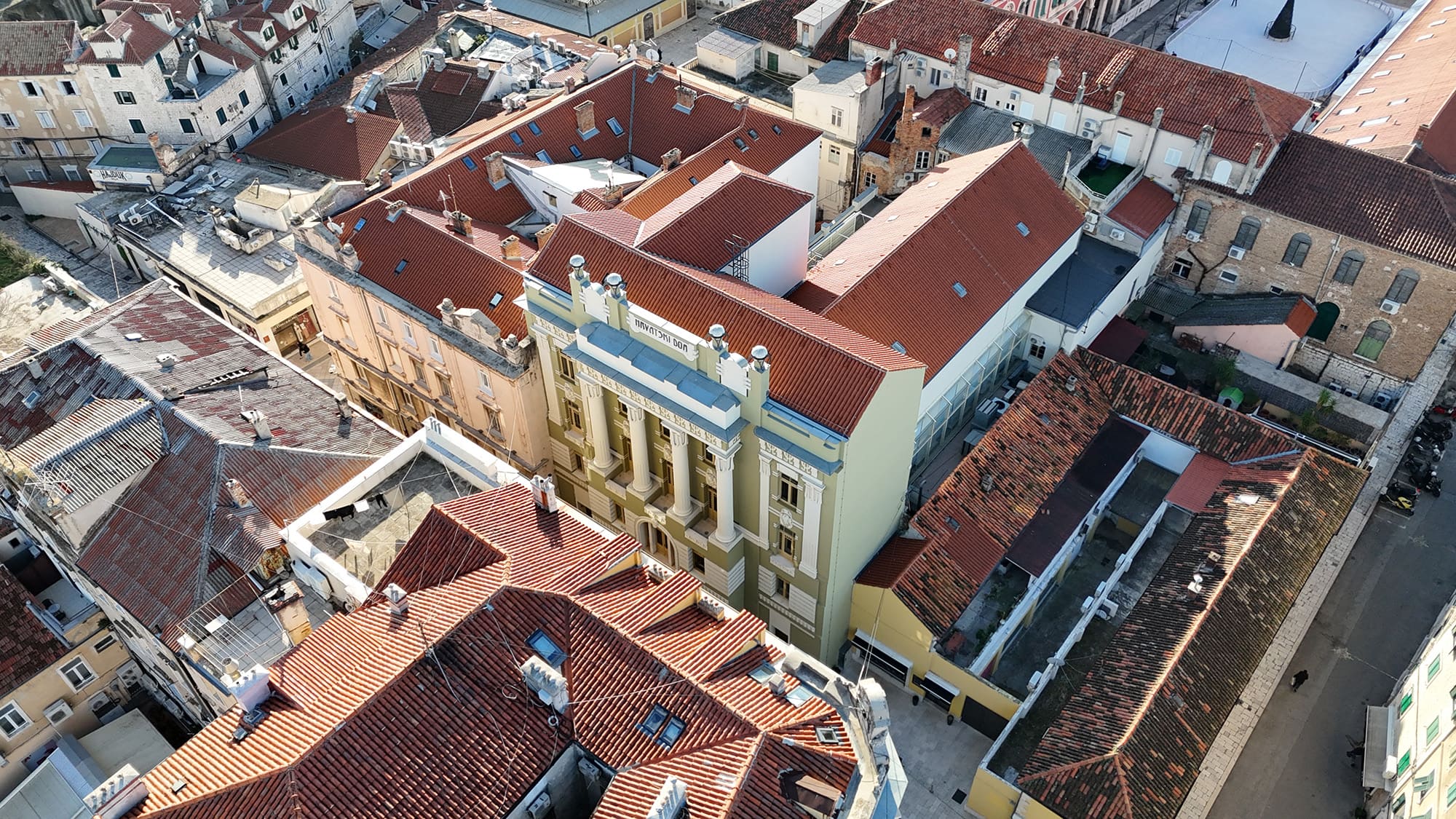
Croatian Home, located in Tončićeva Street, Split, is one of the most representative Art Nouveau buildings in the city. It was built in 1908 according to the design of architect Kamilo Tončić, and intended as a gathering place for cultural, artistic, and sports associations.
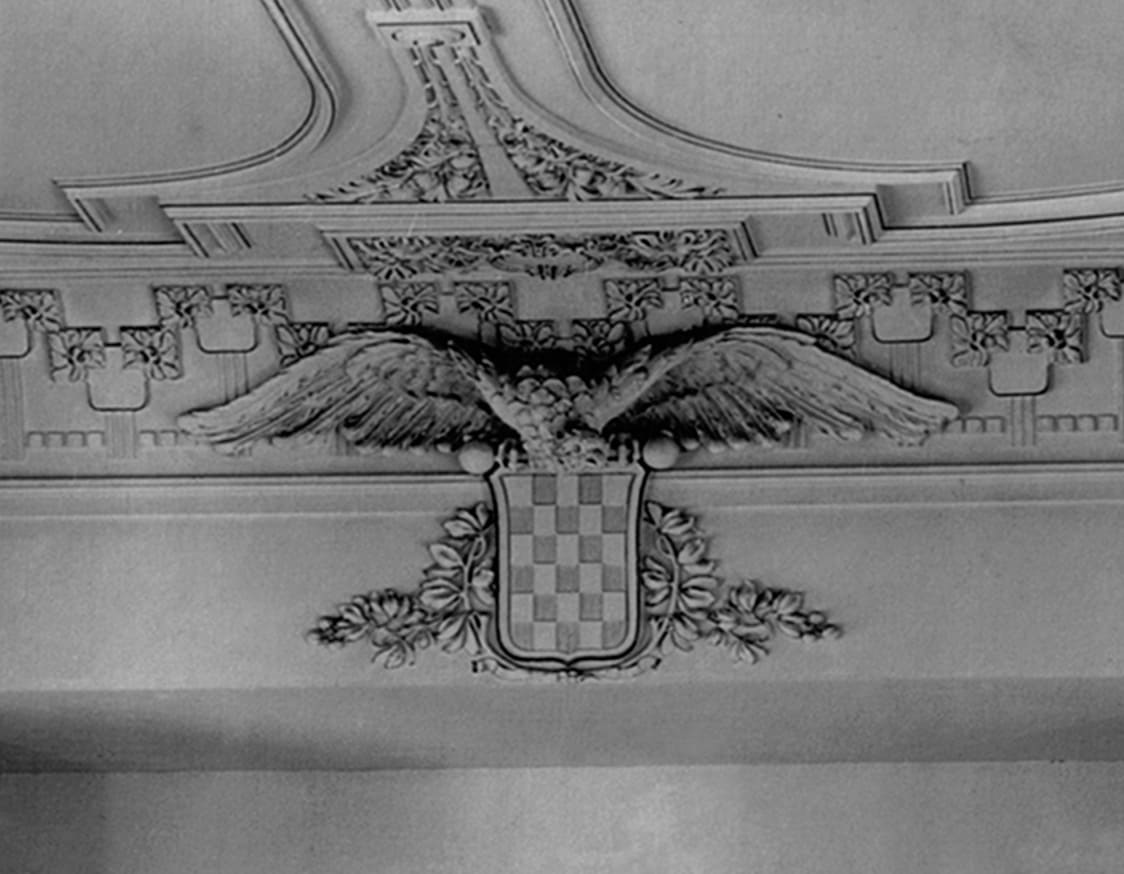
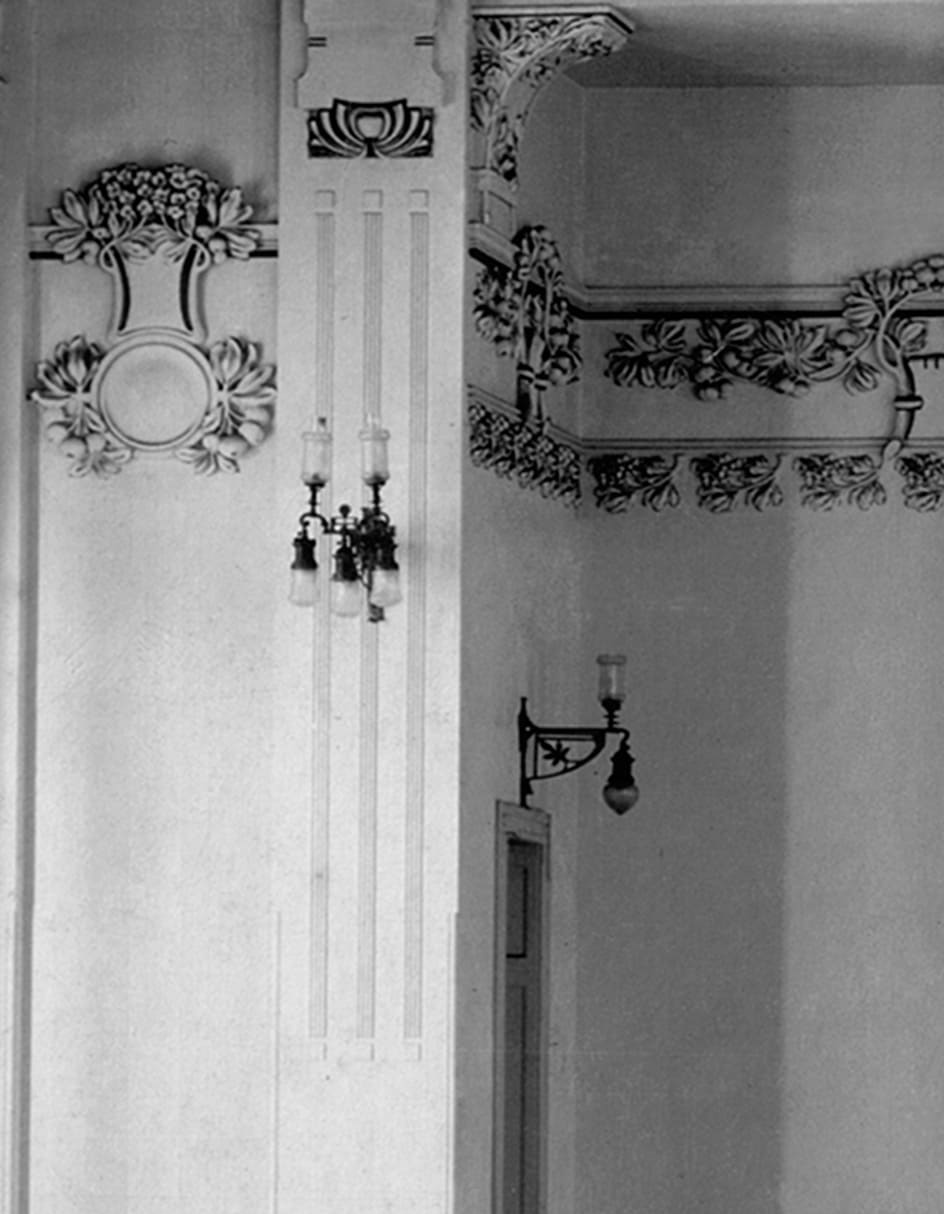
From its opening, the Croatian Home served as a cultural centre, hosting concerts, exhibitions, and gatherings. Over time, the modifications carried out during the 1930s, as well as those in the period of the Second World War and the early postwar years—during which the original decoration was removed—almost completely altered the building’s original appearance. Nevertheless, the building’s original structure and Tončić’s design vision have remained clearly visible.
Key insights

featured story
The Building’s Residents Over Time
Learn about the various time periods and changes in function the building has undergone to understand it’s look today.
See full storyexplore all stories

3D MODEL
virtual walk
useful links
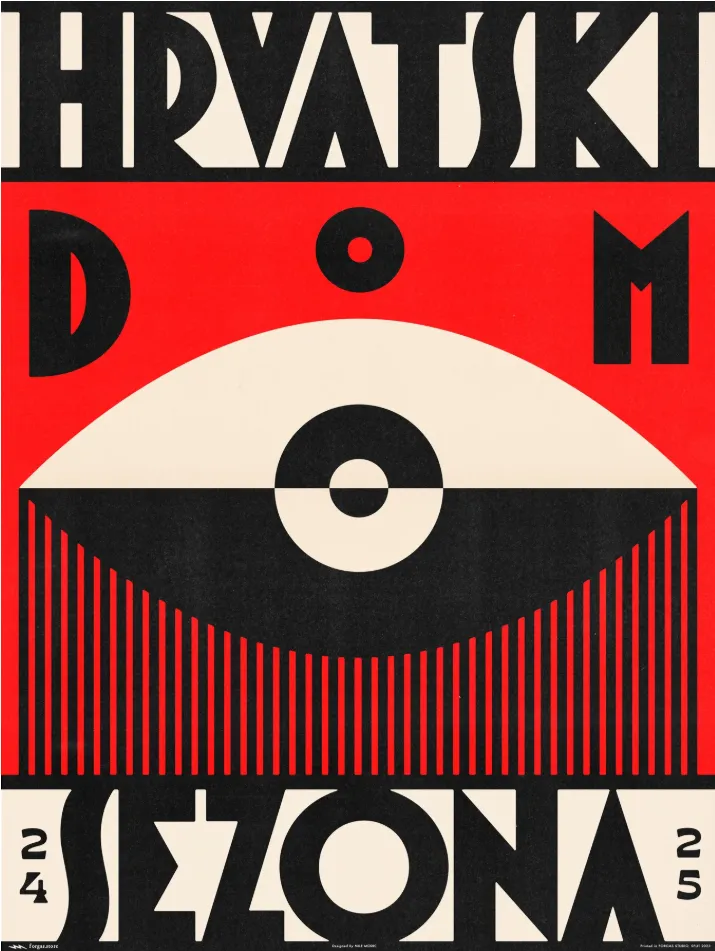
Photographs and illustrations: Ivana Marušić and Toni Boban (Boban plus Partneri d.o.o., Split); Kazinoti & Komenda; Valentino Bilić Prcić; Mile Modić (posters; source: Forgas store); Gordana Kuzmić-Kalogjera (floor plan and façade; excerpt from the main architectural project)
Archival photographs: Conservation Department in Split; Split City Museum; University Library in Split; private archives, Split Sports Federation
RESTORATION PROJECT CREDITS:
Project restoration management: City of Split
Main project: Project Studio G2, Zagreb
Reconstruction of the original appearance - rectification of historical photographs: Višnja Peleš, dipl. ing. arh.
Conservation research, conservation works and reconstruction of decoration: Croatian Restoration Department, Zagreb; Neir d.o.o., Split; Giuseppe Sava, restorer
Execution of construction and craft works: Teh-gradnja d.o.o., Zagreb
Research, conservation supervision and project management: Conservation Department in Split, Ministry of Culture and Media of the Republic of Croatia (MSc Sanja Buble, architect and senior conservation advisor; PhD Sandi Bulimbašić, art historian and senior conservation advisor)
Signage and wayfinding: Kazinoti & Komenda, collaborator Frane Balta
Funds: City of Split and the Ministry of Culture and Media of the Republic of Croatia
SPECIAL THANKS TO:
PhD Sandi Bulimbašić, art historian and senior conservation advisor, Conservation Department in Split MSc,
Sanja Buble, architect and senior conservator, Conservation Department in Split
Vanesa Kleva, Director of the Croatian House
Slaven Tahirbegović, Ante Balarin–Đipalo, and Ivona Zulim
Brist Tourist Agency and the Cooperative Association of Dalmatia (Zadružni savez Dalmacije)
Petra Milovac, art historian and senior curator
The content of the virtual exhibition is based on the research of conservators and available literature.
Project funding: European Union
Buble, Sanja (2011). »Hrvatski dom Kamila Tončića u Splitu«, Prilozi povijesti umjetnosti u Dalmaciji 42, 417–439.
Buble, Sanja (2019/2020). »Hrvatski dom u Splitu, izazov obnove«, Godišnjak zaštite spomenika kulture Hrvatske, 43/44, 115–130.
Buble, Sanja (2024). »Hrvatski dom u Splitu, svjedok vremena«, Hrvatska revija 3, 2024 Časopis Matice Hrvatske.
Bulimbašić, Sandi (2016). Društvo hrvatskih umjetnika »Medulić« (1908. – 1919.) umjetnost i politika, Zagreb: Društvo povjesničara umjetnosti Hrvatske.
Kezić, Mario (1991). Arhitektura secesije u Splitu, Split: Književni krug.
Piplović, Stanko (1991). Kamilo Tončić, Split: Društvo prijatelja kulturne baštine.
Šverko, Ivana (2003). Splitska škola za dizajn, Split: Književni krug.