The architect
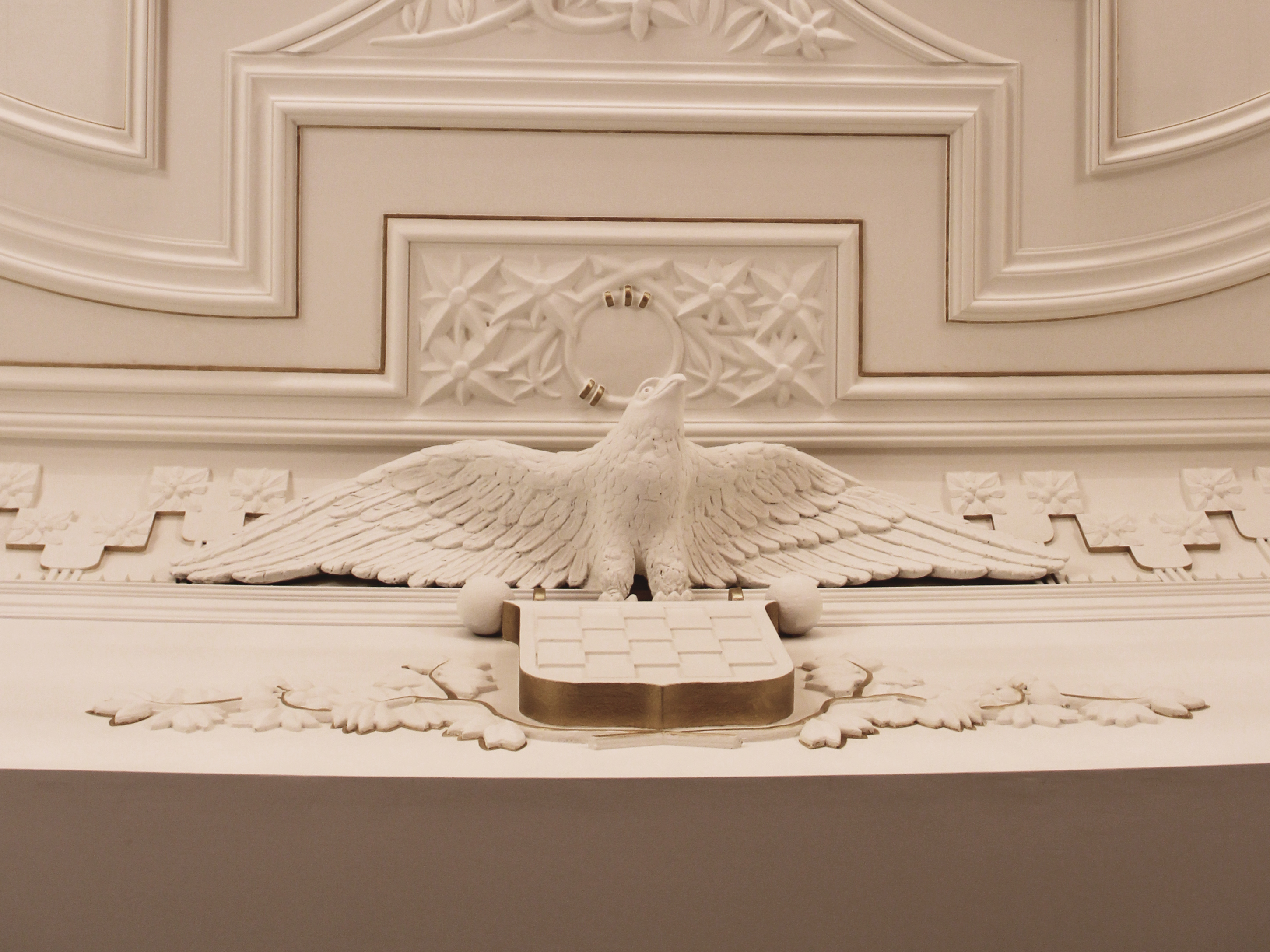
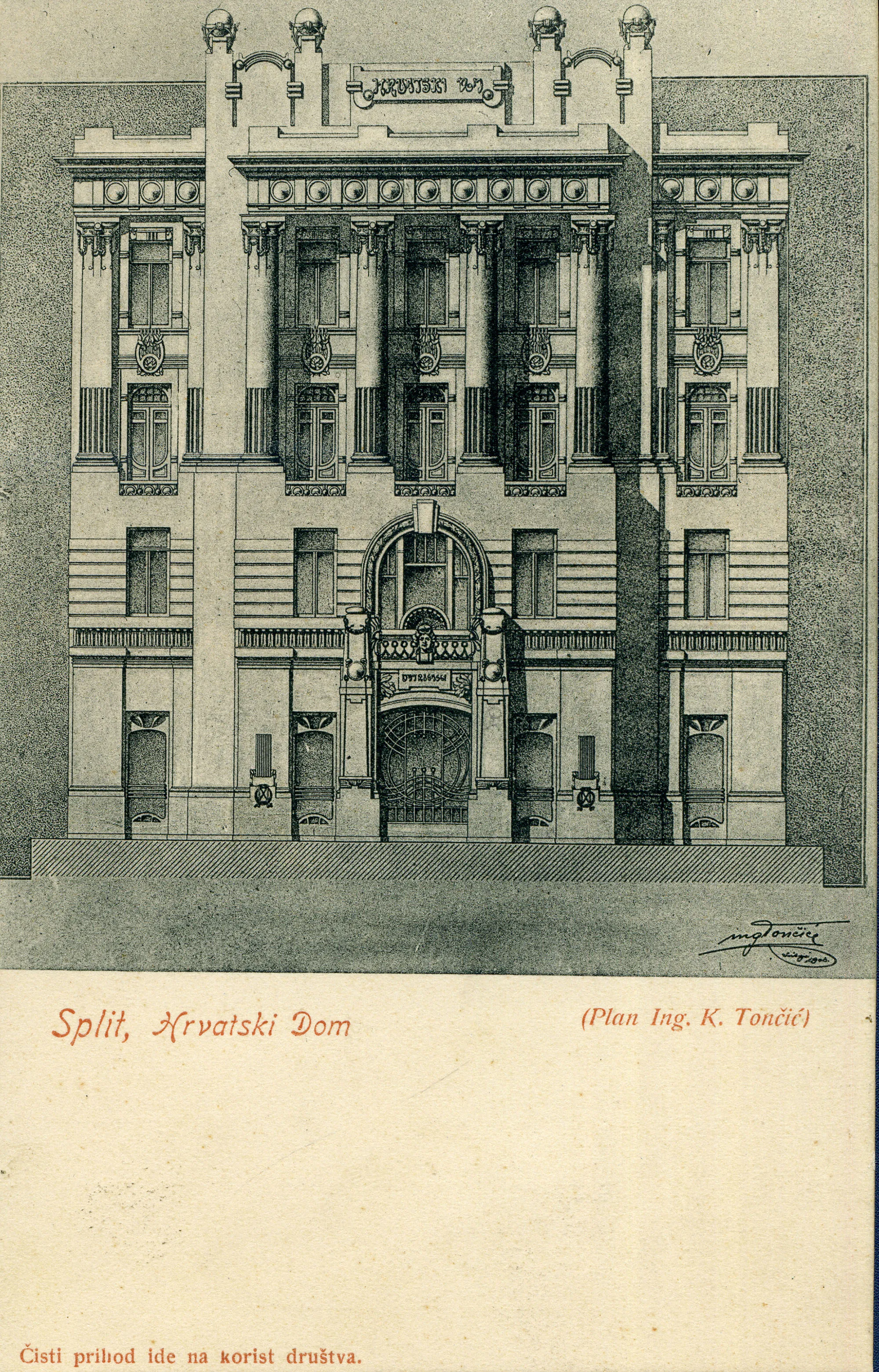
Kamilo Tončić pl. Sorinjski (Zadar, October 28, 1878 – Split, June 29, 1961) graduated in civil engineering in Vienna and returned to Split in 1904, where he obtained his architect’s license in 1908. Influenced by Otto Wagner and Josef Hoffmann, he realized key Secessionist works in Split, including the Croatian House, Sulphur Baths, Savo House, and the Tončić family villa. He also designed interiors, furniture, and decorative elements, shaping the city’s distinctive visual and cultural identity.
Gathering funds for the project
In 1908, Split, with only 15,000 residents, the project faced a major challenge with funding. Donations, fundraising events, and memorial contributions—promoted by local papers like Jedinstvo—helped gather 54,000 kruna over eight years. This sum was still insufficient for the land and construction. Momentum grew when Mayor Vinko Milić mobilized the council and local societies, paving the way for the project to become reality.
1908 - 1918
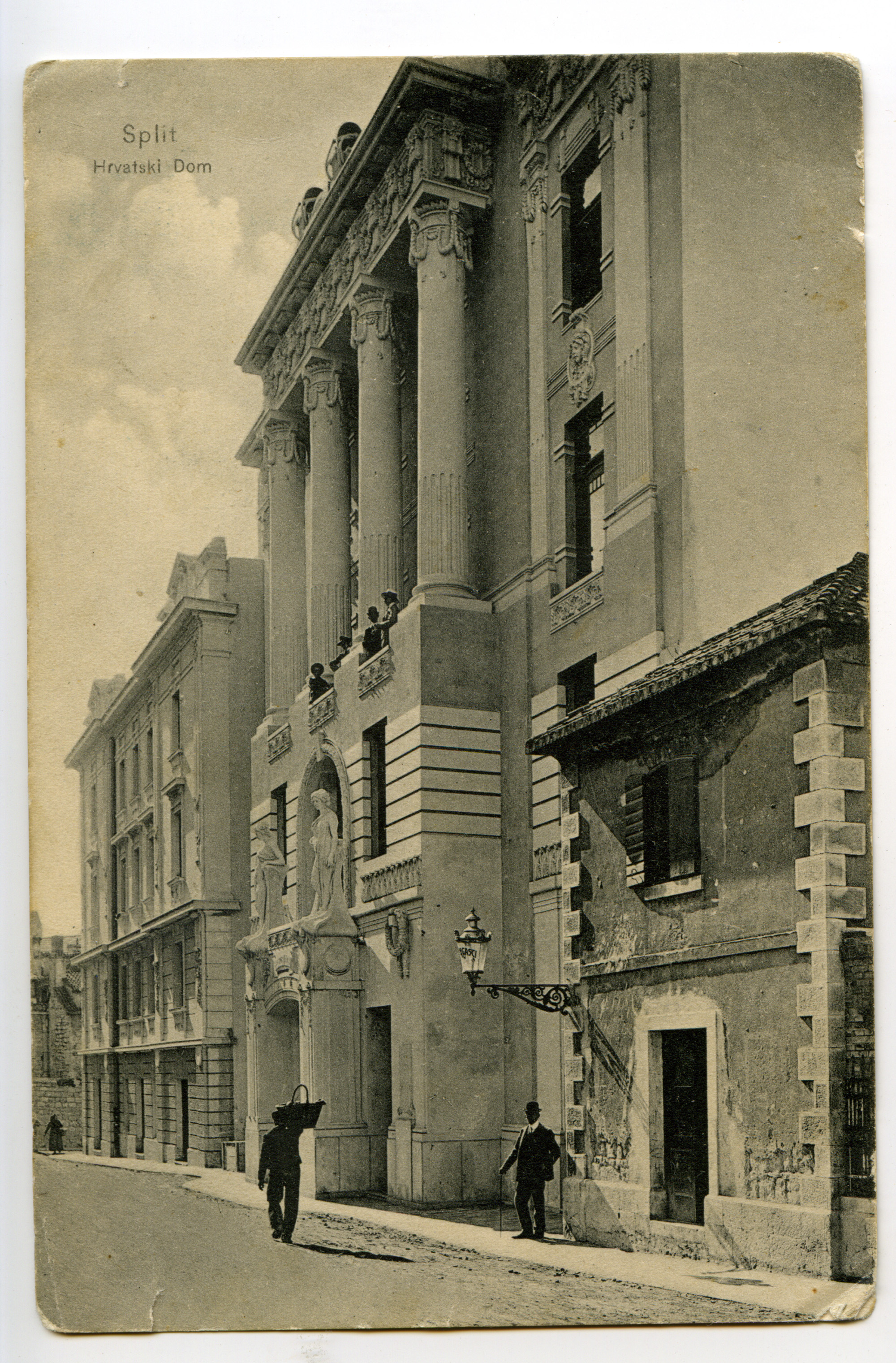
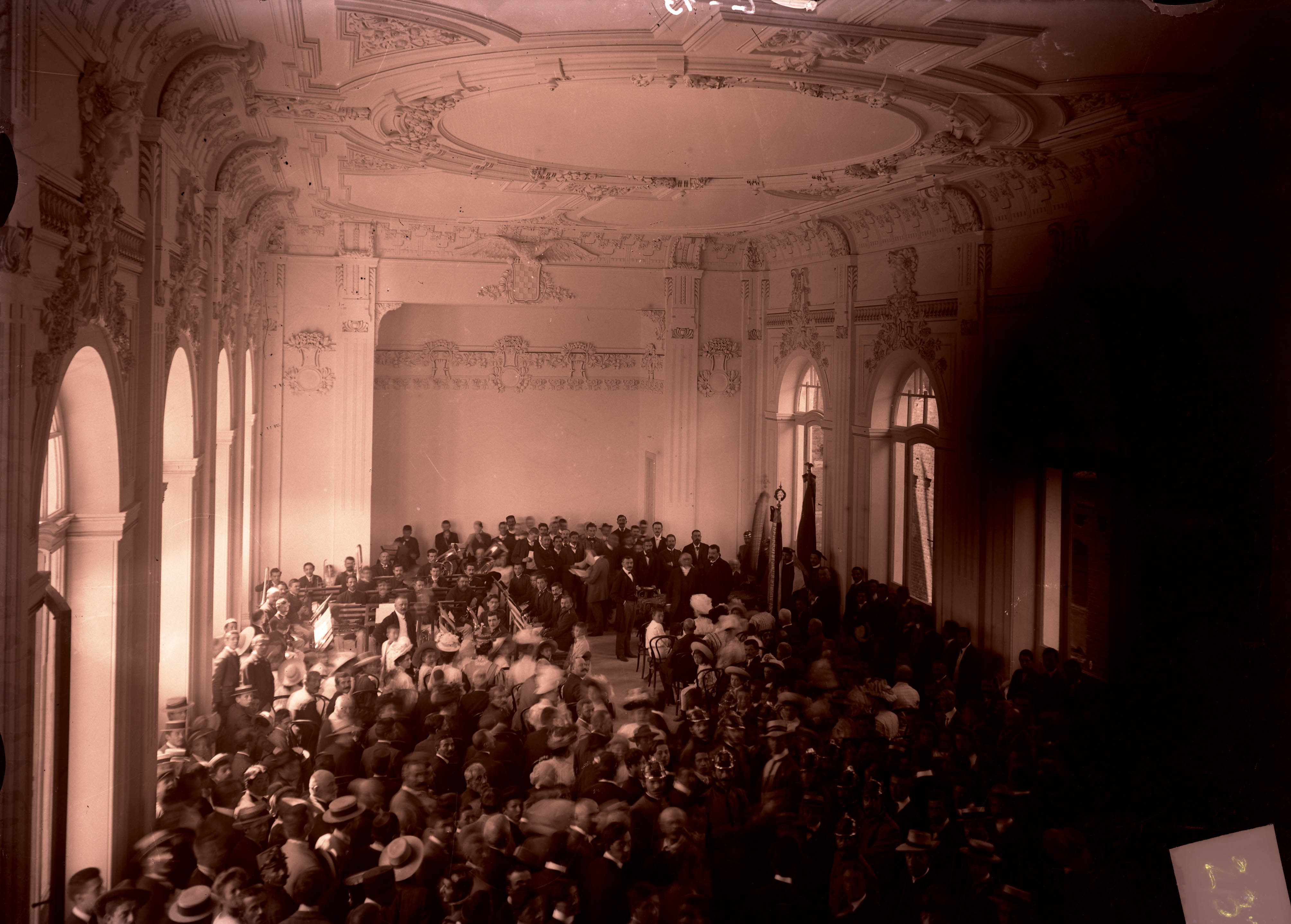
Since its opening in September 1908, the building served as a true hub of social events, concerts, dances, cabarets, and carnivals, as well as a gathering place for musical ensembles and the center of the city’s sporting and cultural life. The most significant event in the first year of the Croatian Home was the organization of the First Dalmatian Art Exhibition, which laid the foundation for the establishment of the Art Gallery in Split and the acquisition of its first works. Among the prominent artists whose works were exhibited were painters Vlaho Bukovac, Ivan Meštrović, Mirko Rački, Emanuel Vidović, and many others. The “Medulić” Society was also founded at that time, shaping the history of modern Croatian art. In addition, founding meetings were held for many sports clubs that are still active today: HNK Hajduk (1911), HVK Gusar (1914), and HPK Baluni – Jadran (1920)...
1918 - 1929
After 1918, some societies resumed under new political conditions, while others, like the National Reading Room, closed. Following Split’s liberation from Austrian rule, local societies – Zvonimir music society, Hrvatski Sokol (Croatian Hawk - sport association), and the Volunteer Fire Brigade – used the building to promote Croatian identity. In 1921, the building became the property of Hrvatski Sokol, hosting activities, education, and gatherings, while its role as a musical and performance center was reduced due to the construction of new facilities. The building still occasionally hosted events, including the 1929 solo exhibitions of Emanuel Vidović and Vjekoslav Parać.
1929 -1942
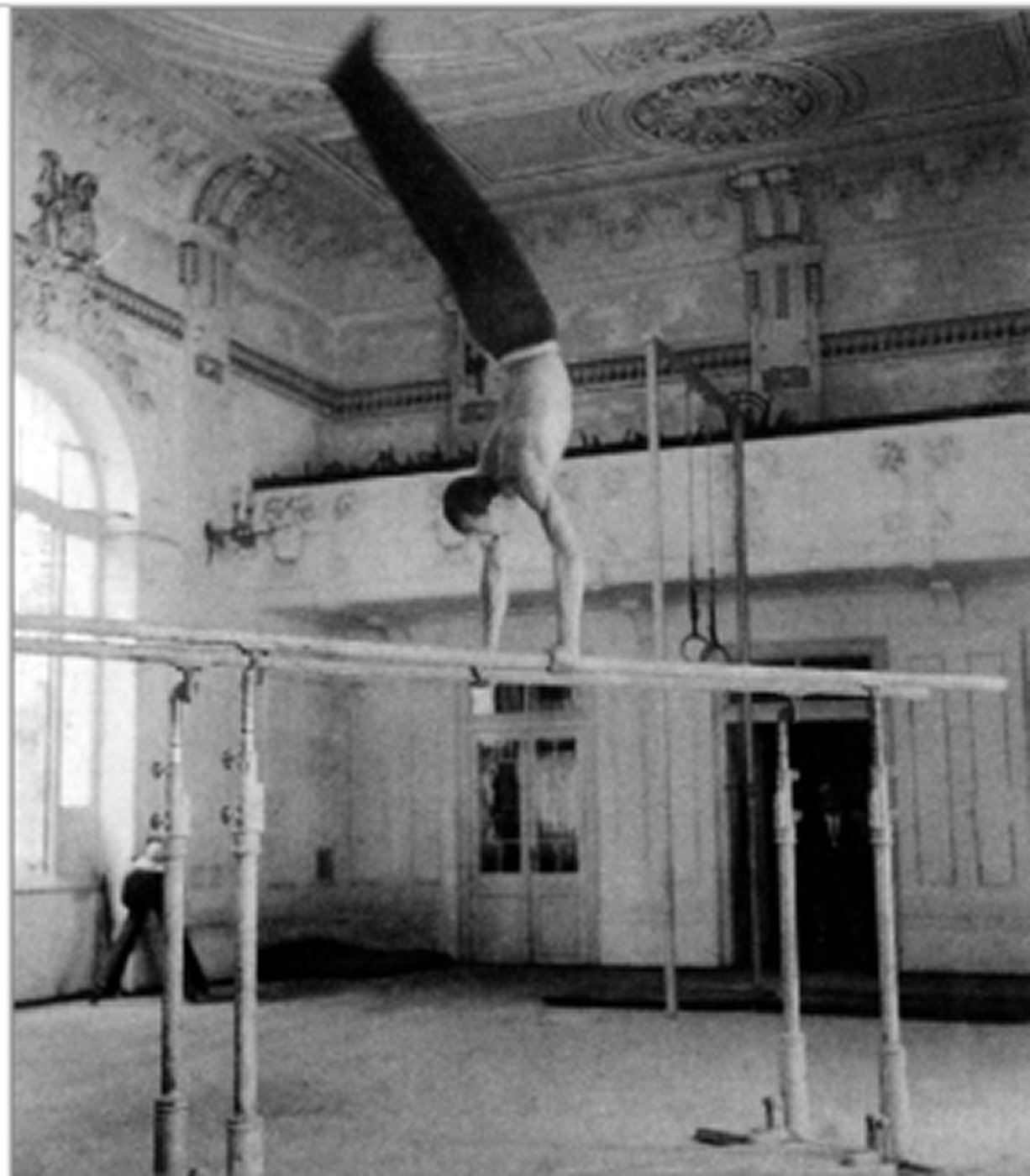
In 1929, Croatian Sokol was dissolved, and the it came under the state-controlled society of the Kingdom of Yugoslavia.Cultural activities continued, including amateur theatre, a choir, a library and a reading room, as donating books was a duty. Zvonimir society was forced to move out in 1930, and the Fire Brigade moved to its new facilities in the same year.By 1942, during World War II, the building was occupied by the Italian fascist youth. In this period the original Art Nouveau interior and facade decorations were completely demolished as a result of the ideologically motivated break with the civic and nationally marked cultural layer of the building, and the imposition of an architectural expression in line with the new regime.
1945 – 1991
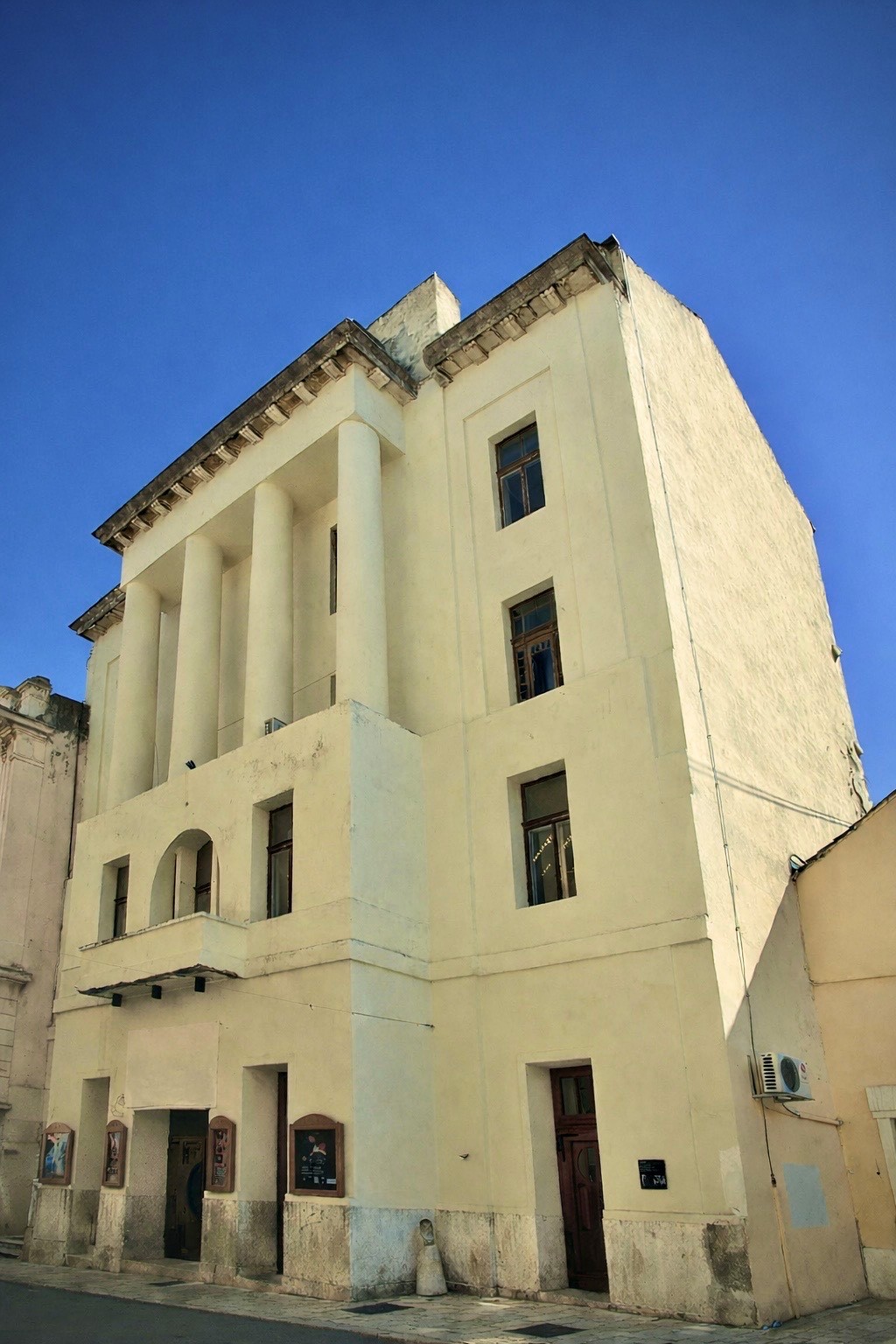
After the Second World War, the Art Nouveau decoration in the interior of the former ceremonial hall on the upper floor was removed, and the building was renamed to “Omladinski dom” (Youth Center) and still served as hub for cultural and recreational activities. It hosted the newly founded “Pionir” Puppet Theatre, which evolved from the earlier Sokol Puppet Theatre, alongside youth organizations, sports events, concerts, and dances. From 1951, “Partizan” society administered the building, sharing the street wing of the building with schools, a ballet studio, the Blind Association, and the football club Hajduk. In 1969, a fire destroyed the puppet theatre, but it also uncovered a hidden chest containing documents and photographs from the Sokol era, offering a valuable glimpse into the building’s earlier history.

1991 – 2009
From 1991, the large hall was used by the Society for Sports Recreation “Sokol” and Gymnastics Club Split. In 2003, extensive renovation works began on the City Puppet Theatre, during which the large hall and the associated spaces on the second and third floors were devastated. After the renovation, the third floor was used by sports clubs and school sports organizations.